Lower Back Pain Causes & Treatment
Lower back pain is extremely common. If you are reading this, you may have already tried a local oil massage, a painkiller from the pharmacy, or even a traditional healer. While these can offer temporary comfort, understanding why your back hurts is the key to getting the right care—and avoiding unnecessary worry or expense. Most lower back pain is mechanical—meaning it comes from muscles, ligaments, or discs—and resolves with simple measures. But some symptoms signal a need for urgent specialist care. This guide separates common causes from red-flag symptoms, explains safe self-care, and tells you exactly when and which doctor to see in Bangladesh.
What causes lower back pain?
The vast majority of lower back pain is non-specific or mechanical. This means there is no single dangerous disease causing it; instead, the pain stems from strain or minor injury to muscles, ligaments, or the discs between vertebrae. Common triggers include:
- Muscle or ligament strain – from heavy lifting, sudden twisting, or poor posture.
- Disc bulge or herniation – when the soft cushion between vertebrae pushes out and may press on a nerve.
- Sciatica – pain that travels down one leg, often from a disc pressing on the sciatic nerve.
- Spondylosis – age-related wear and tear of the spine.
- Poor posture – prolonged sitting, slouching, or standing awkwardly.
In Bangladesh, occupation-related causes are very common: rickshaw pulling, factory work, and long hours of sitting in an office or study setting. These activities put repeated stress on the lower back. The good news is that most mechanical back pain improves within a few weeks with simple care.
How do I know if my back pain is serious?
While most back pain is not dangerous, a small number of cases involve serious conditions that need urgent medical attention. These are called red-flag signs. If you have any of the following, see a doctor immediately — do not wait.
| Symptom / Description | Likely Cause (Common) | Possible Red Flag (Needs Urgent Care) |
|---|---|---|
| Dull ache after lifting something heavy | Muscle strain | — |
| Sharp pain that shoots down one leg | Sciatica from disc bulge | — |
| Pain with fever, chills, or unexplained weight loss | — | Spinal infection or cancer |
| Sudden loss of leg strength or difficulty walking | — | Nerve compression (cauda equina syndrome) |
| Numbness or tingling in the groin or inner thighs | — | Cauda equina syndrome |
| Loss of bladder or bowel control | — | Cauda equina syndrome |
| Pain after a fall or injury (especially in older adults) | — | Fracture |
If you have none of these red flags, your back pain is very likely mechanical and can be managed with self-care and a doctor’s guidance. But when in doubt, always consult a qualified clinician.
What can I do at home for relief?
For simple mechanical back pain, the goal is to stay active without overdoing it. Complete bed rest is no longer recommended — gentle movement helps recovery. Here are safe steps:
- Heat or ice: Apply a warm towel or hot water bottle for 15–20 minutes to relax tight muscles. Ice packs can reduce inflammation in the first 48 hours.
- Gentle movement: Short walks, slow stretching, or simple exercises like knee-to-chest pulls. Stop if pain increases.
- Over-the-counter pain relievers: Paracetamol or ibuprofen may help, but always read the label and do not exceed the recommended dose. Avoid taking strong painkillers (like high-dose NSAIDs) without a doctor’s advice — they can harm your kidneys or stomach.
- Avoid harmful practices: Do not get aggressive massage over an inflamed area, and do not use strong oils that may irritate the skin. If you have tried these before, that is understandable, but evidence suggests gentle care works better.
If pain does not improve after 2–3 weeks of self-care, or if it gets worse, see a doctor.
What treatments do doctors usually recommend?
Treatment for lower back pain follows a stepwise ladder. Most people improve with conservative (non-surgical) care. Here is what to expect:
- First line: Physiotherapy, manual therapy, and prescribed medications (muscle relaxants or anti-inflammatories). A physiotherapist can teach you exercises to strengthen the core and improve posture.
- Second line: If pain persists, a specialist may recommend interventional procedures such as epidural steroid injections or nerve blocks. These are done under imaging guidance and can provide temporary relief.
- Surgery: Only considered for specific conditions — cauda equina syndrome, progressive leg weakness, or when all other treatments have failed after several months. Surgery is rarely needed for simple back pain.
It is important not to self-medicate with strong painkillers or muscle relaxants. Always follow a doctor’s prescription. In Bangladesh, you can start with a general practitioner at your local upazila health complex or district hospital.
Which specialist should I see in Bangladesh?
If your back pain does not improve with self-care or if you have red-flag symptoms, here is a typical pathway:
- General practitioner (GP) at a upazila or district health complex can start the workup, prescribe initial treatment, and decide if imaging is needed.
- Orthopedic surgeon – for structural problems like disc herniation, spinal stenosis, or fractures.
- Physical Medicine & Rehabilitation specialist (physiatrist) – focuses on non-surgical management, pain relief, and rehabilitation.
- Physiotherapist – can provide exercise programs, manual therapy, and ergonomic advice.
When you visit a specialist, bring any previous reports, a list of medications you have tried, and details about your daily activities (work, sitting habits). Do not assume you need an MRI — your doctor will decide based on your history and physical exam. Many patients in rural areas may need to travel to a district hospital or a private specialist in a city like Dhaka for advanced care.
If you need to find a general surgeon in your division, the table below can help you locate one.
Find a doctor by division in Bangladesh
For persistent lower back pain that may require surgical evaluation, you can search for general surgeon doctors in your division. These specialists can assess whether your condition needs surgical intervention or refer you to the right expert.
| Division | Find a doctor |
|---|---|
| Dhaka / ঢাকা | General Surgeon Doctors in Dhaka |
| Chattogram / চট্টগ্রাম | Top General Surgeon Doctors in Chattogram |
| Khulna / খুলনা | Popular General Surgeon Doctors in Khulna |
| Rajshahi / রাজশাহী | General Surgeon Specialists in Rajshahi |
| Rangpur / রংপুর | General Surgeons in Rangpur |
| Sylhet / সিলেট | Best General Surgeon Doctors in Sylhet |
| Barishal / বরিশাল | Barishal General Surgeon Doctors |
| Mymensingh / ময়মনসিংহ | Popular General Surgeon Doctors in Mymensingh |
How can I prevent recurring back pain?
Once the acute pain subsides, prevention becomes key. Back pain often returns if the underlying habits do not change. Here are practical steps:
- Strengthen your core: Exercises that target the abdominal and back muscles (like planks, bridges, and bird-dog) support the spine.
- Lift correctly: Bend your knees, keep your back straight, and hold the load close to your body. Avoid twisting while lifting.
- Improve posture: When sitting, keep your feet flat, use a chair with lower back support, and take breaks every 30 minutes to stand and stretch.
- Occupation-specific advice: Rickshaw pullers should avoid sudden twisting; factory workers can use supportive belts and take micro-breaks; office workers should adjust screen height and chair position.
- Stay active: Regular walking, swimming, or yoga helps maintain flexibility and strength. Avoid prolonged bed rest even after recovery.
Prevention is an ongoing habit, not a one-time fix. If you have had multiple episodes, consider seeing a physiotherapist for a personalized exercise program.
Frequently Asked Questions
Do I need an X-ray or MRI for my back pain?
Not always. Most mechanical back pain improves within a few weeks, and imaging is usually unnecessary during that time unless you have warning signs such as leg weakness, numbness, fever, or unintentional weight loss. X-rays show bones but not discs or muscles, while MRI gives a detailed soft-tissue view and is costly in Bangladesh. Let a qualified doctor decide whether imaging is needed rather than requesting it yourself.
Is it safe to get a massage or visit a traditional healer for back pain?
Gentle massage may help relax tight muscles, but forceful massage, ‘bone setting’ (হাড় বাঁধা), or spinal manipulation by untrained hands can worsen a disc problem or irritate a nerve. If you have pain shooting down the leg, numbness, or weakness, avoid deep-pressure treatment until a doctor examines you. If you do try massage, tell the therapist about your symptoms and stop immediately if the pain increases.
How can I tell if the pain is from my kidney rather than my back?
Kidney pain usually sits higher up, on one side, around the flank or under the ribs, and often comes with fever, burning urination, or blood in the urine. It tends to stay constant even when you change position. Muscle or disc-related back pain, on the other hand, typically changes with bending, lifting, or sitting. If back pain is accompanied by fever or urinary symptoms, see a doctor promptly.
Should I rest in bed or keep moving?
Prolonged bed rest beyond a day or two can weaken muscles and slow recovery, so staying gently active is usually better. Short rest during severe pain is fine, but gradually resume walking and light daily activities while avoiding heavy lifting, twisting, and long periods of sitting. If movement makes the pain dramatically worse or causes leg weakness, consult a doctor.
Are painkiller injections safe for back pain?
Injections given at pharmacies or unregistered clinics carry real risks, including unsterile equipment, incorrect dosage, and masking a more serious underlying problem. Oral painkillers may offer short-term relief, but they treat symptoms rather than the cause, and frequent injections can harm the kidneys, stomach, or liver. Any painkiller, whether tablet or injection, should be taken only under a qualified doctor’s guidance.
Sources
The following sources are from international journals, government health agencies, or recognized medical organizations:
- Low Back Pain – Symptoms and Causes (mayoclinic.org)
- Low Back Pain – NHS (nhs.uk)
- Low Back Pain Fact Sheet – NINDS (ninds.nih.gov)
- World Health Organization — Lower Back Pain Causes & Treatment (who.int)
- MedlinePlus — Lower Back Pain Causes & Treatment (medlineplus.gov)
- CDC — Lower Back Pain Causes & Treatment (cdc.gov)
Read More From Diseases
Find Surgeons by Division Across Bangladesh
SurgeryBD is bangladesh's first dedicated surgery directory platform — search verified surgeons in all divisions and districts, with Dhaka city areas for local chambers.
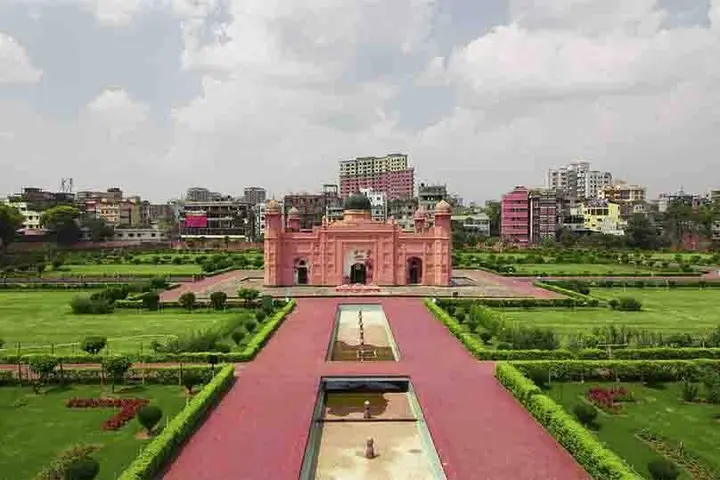
Surgeons in Dhaka

Surgeons in Chittagong

Surgeons in Rajshahi
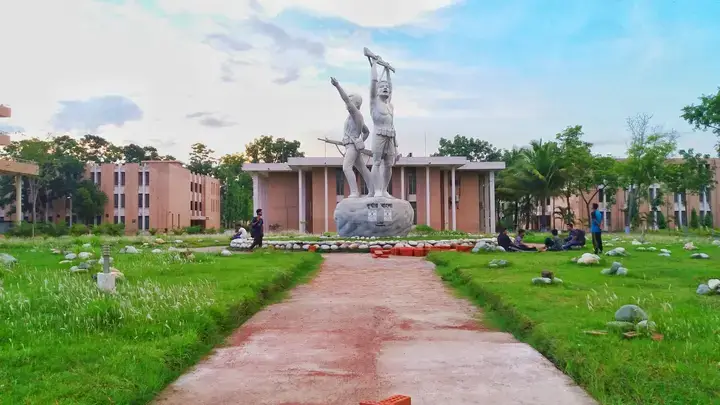
Surgeons in Khulna
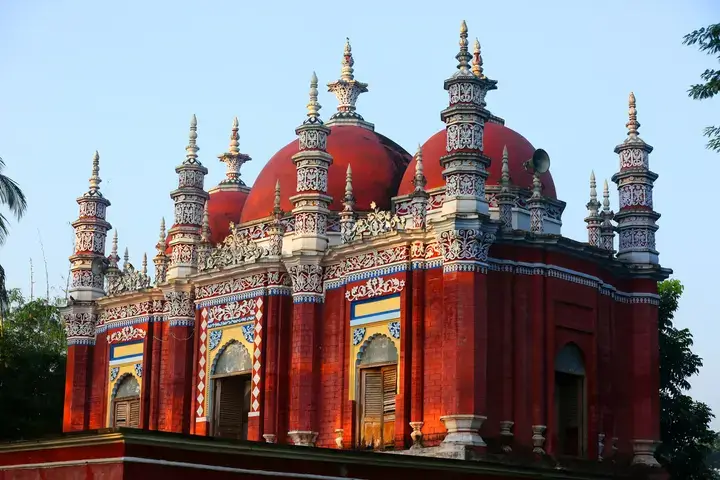
Surgeons in Barishal

Surgeons in Sylhet

Surgeons in Rangpur