What Is Surgery
Surgery is a medical procedure that involves making incisions in the body to treat a disease, injury, or deformity. It is performed by a qualified surgeon in a sterile environment, often under anaesthesia. While the word ‘surgery’ can sound intimidating, it is a common and often life-saving tool. Understanding what surgery involves helps you make informed decisions and feel more prepared if you or a loved one ever needs it.
What exactly is surgery?
Surgery is a branch of medicine that uses operative techniques to repair, remove, or replace tissues and organs. Unlike non-invasive treatments like medications or physiotherapy, surgery physically alters the body to address a health problem. The goal may be to remove a diseased appendix, repair a broken bone, take a biopsy, or correct a structural problem. Surgery always requires careful planning, sterile conditions, and a skilled surgical team.
When is surgery recommended?
Doctors may recommend surgery when other treatments are unlikely to help, or when a condition poses an immediate threat. Common examples include:
- Appendicitis – an inflamed appendix is usually removed surgically (appendectomy).
- Fractures – severe breaks may need metal plates, screws, or rods to heal properly.
- Gallstones – if stones block the bile duct, the gallbladder is often removed.
- Tumours – cancerous or benign growths may be excised to prevent spread or relieve pressure.
- Obstructed arteries – bypass surgery can restore blood flow to the heart.
Surgery is rarely the first option; doctors weigh the benefits against the risks and consider alternatives like medication, lifestyle changes, or watchful waiting.
Common types of surgery
Surgeries are often categorised as elective (planned in advance, e.g., hernia repair) or emergency (urgent, e.g., trauma surgery). Another key distinction is the technique used. The table below compares the main approaches.
| Type | How it is done | Typical recovery time | Common examples |
|---|---|---|---|
| Open surgery | A single large incision to access the area directly | 4–8 weeks for full recovery; hospital stay may be 2–7 days | Appendectomy, gallbladder removal, bowel resection |
| Laparoscopic (keyhole) surgery | Several small incisions; a camera and instruments are inserted | 1–3 weeks; often same-day discharge or overnight stay | Hernia repair, cholecystectomy, bariatric surgery |
| Robotic surgery | Surgeon controls a robotic arm through small incisions | Similar to laparoscopic; may allow finer movements | Prostate surgery, gynaecologic procedures, complex hernia |
Laparoscopic and robotic techniques usually mean smaller scars, less pain, and faster recovery, but not every case is suitable – your surgeon will advise the best approach for you.
What to expect before, during, and after surgery
Before surgery: You will have pre‑operative tests (blood work, ECG, sometimes imaging). You will be asked to fast (no food or drink) for several hours. The surgeon and anaesthetist will explain the procedure and obtain your written consent.
During surgery: Anaesthesia keeps you pain‑free – either general (you are completely asleep) or regional/local (numbness in the area). The surgical team monitors your heart rate, oxygen, and blood pressure throughout.
After surgery: You wake up in a recovery room. Pain is managed with medication. Some patients go home the same day; others stay in hospital for observation. The medical team will give instructions on wound care, activity limits, and follow‑up visits. Full recovery can take weeks or months, depending on the procedure and your general health.
Risks and alternatives to surgery
All surgeries carry some risks. Common ones include infection at the incision site, bleeding, blood clots, and adverse reactions to anaesthesia. More serious complications (e.g., organ damage, heart problems) are rare but possible. Your surgeon will discuss these with you before the operation.
Alternatives to surgery may include medication, physical therapy, lifestyle changes (diet, exercise), or interventional procedures like draining an abscess. In many cases, surgery is reserved for when these options have failed or are unlikely to work. Always ask your doctor about the risks and benefits of both surgery and non‑surgical options.
How to choose a qualified surgeon in Bangladesh
Choosing the right surgeon is one of the most important decisions you will make. In Bangladesh, look for surgeons who are registered with the Bangladesh Medical and Dental Council (BMDC) and have recognised qualifications such as MBBS, FCPS (Surgery), MS, or equivalent. Experience in the specific procedure you need matters – for example, a surgeon who frequently performs laparoscopic cholecystectomy is preferable for gallbladder removal. You can also ask about their success rates and read patient reviews if available.
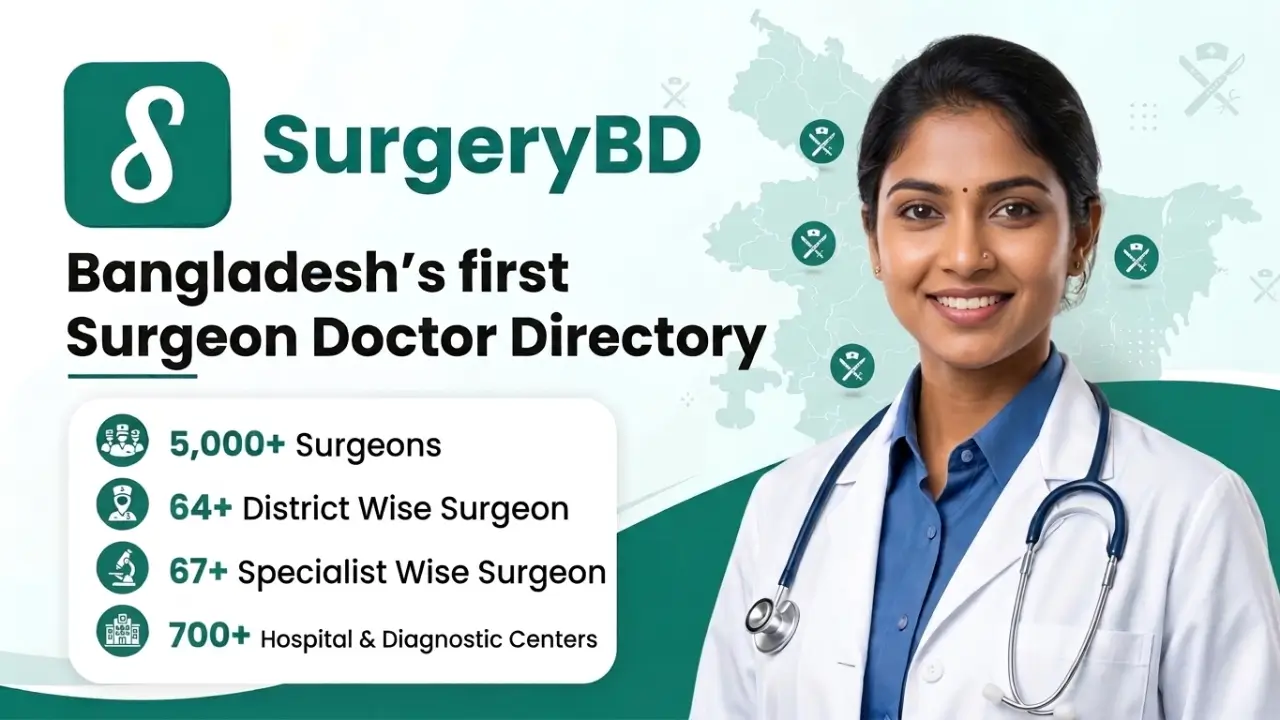
The SurgeryBD directory lists verified surgeons across the country. You can search by specialty and location to find a professional who meets your needs.
Find general surgeons in your division
Use the table below to locate qualified general surgeons and laparoscopic surgeons in your division. Click the links to view profiles and contact details.
| Division | Find a doctor |
|---|---|
| Dhaka / ঢাকা | General Surgeon Doctors in Dhaka Laparoscopic Surgeons in Dhaka |
| Chattogram / চট্টগ্রাম | General Surgeon Doctors in Chattogram Laparoscopic Surgeons in Chattogram |
| Khulna / খুলনা | General Surgeon Specialists in Khulna Laparoscopic Surgeon Doctors in Khulna |
| Rajshahi / রাজশাহী | General Surgeon Specialists in Rajshahi Laparoscopic Surgeons in Rajshahi |
| Rangpur / রংপুর | General Surgeons in Rangpur Laparoscopic Surgeon Doctors in Rangpur |
| Sylhet / সিলেট | General Surgeon Doctors in Sylhet Laparoscopic Surgeon Doctors in Sylhet |
| Barishal / বরিশাল | Barishal General Surgeon Doctors Laparoscopic Surgeon Doctors in Barishal |
| Mymensingh / ময়মনসিংহ | General Surgeon Doctors in Mymensingh |
Cost of surgery in Bangladesh
The cost of surgery in Bangladesh varies significantly based on the hospital class (private vs. public), the surgeon’s fee, type of anaesthesia, use of implants, and any complications. Public hospitals are considerably cheaper but often have longer waiting lists. Private hospital costs usually include the surgeon’s fee, operation theatre charges, anaesthesia, medications, and bed stay. The table below provides approximate ranges for common procedures in private facilities.
| Item | Approx. BDT Range | Notes |
|---|---|---|
| Open appendectomy | ৳30,000 – ৳80,000 | Higher if complicated by infection or longer stay |
| Laparoscopic appendectomy | ৳50,000 – ৳1,20,000 | Includes equipment and disposable instruments |
| Hernia repair (inguinal, open) | ৳35,000 – ৳90,000 | Mesh cost may be extra (৳5,000–20,000) |
| Laparoscopic hernia repair | ৳60,000 – ৳1,50,000 | May require mesh and advanced equipment |
| Cataract surgery (phacoemulsification with IOL) | ৳25,000 – ৳80,000 | IOL type (monofocal vs. multifocal) affects price |
| Gallbladder removal (laparoscopic cholecystectomy) | ৳50,000 – ৳1,20,000 | Uncomplicated cases at lower end |
| Caesarean section | ৳30,000 – ৳1,00,000 | Depends on hospital class and whether planned or emergency |
Always request a detailed written estimate from your chosen hospital before the procedure. Costs can change, so confirm with the billing department. Many private hospitals also offer package deals that bundle the main services.
Frequently Asked Questions
Do I have to be awake during surgery?
No, most surgeries are performed under anaesthesia, which means you will be asleep and pain-free. For minor procedures, local anaesthesia may numb only the area, keeping you awake but comfortable. Your surgeon and anaesthesiologist will decide the best type based on the procedure and your health.
How long does recovery from surgery usually take?
Recovery time varies widely depending on the type of surgery, your overall health, and age. Minor procedures may allow return to normal activities in days, while major surgeries can require weeks to months. Your surgeon will provide a personalized recovery plan, including wound care, activity restrictions, and follow-up visits.
Can I eat or drink before surgery?
Usually, you will be instructed to fast (no food or drink) for several hours before surgery, especially if general anaesthesia is used. This reduces the risk of aspiration. Your surgical team will give specific fasting instructions. Do not eat or drink anything unless told otherwise.
Sources
The following sources are from international journals, government health agencies, or recognized medical organizations:
- Surgery – Overview (nhs.uk)
- World Health Organization — What Is Surgery (who.int)
- MedlinePlus — What Is Surgery (medlineplus.gov)
- CDC — What Is Surgery (cdc.gov)
- NHS — What Is Surgery (nhs.uk)
- PubMed — What Is Surgery (pubmed.ncbi.nlm.nih.gov)
Read More From Procedures & Surgery
Find Surgeons by Division Across Bangladesh
SurgeryBD is bangladesh's first dedicated surgery directory platform — search verified surgeons in all divisions and districts, with Dhaka city areas for local chambers.

Surgeons in Dhaka

Surgeons in Chittagong

Surgeons in Rajshahi

Surgeons in Khulna

Surgeons in Barishal

Surgeons in Sylhet

Surgeons in Rangpur